Veterans Learning the Art of Traditional Kiltmaking
A Highland Craft Supporting Veterans
There’s something deeply satisfying about creating with your hands, especially when what you’re making carries as much history and meaning as a traditional Scottish kilt.
That is exactly what makes this traditional kiltmaking course for veterans feel so important. Run by Lamhan Charity in partnership with Argyll and Sutherland Highlanders Museum, the course gives veterans the opportunity to learn the art of traditional kiltmaking within a supportive and practical environment.
For many participants, the course offers more than simply learning a new skill. It provides structure, focus and connection through one of Scotland’s most iconic heritage crafts. Best of all, the programme is completely free to take part in, making it accessible to veterans who may otherwise never have had the opportunity to experience traditional kiltmaking first-hand.
Why Traditional Kiltmaking Connects With Veterans
Traditional kiltmaking is not rushed work. It requires patience, discipline, precision and attention to detail — qualities that many veterans already understand deeply through military life.
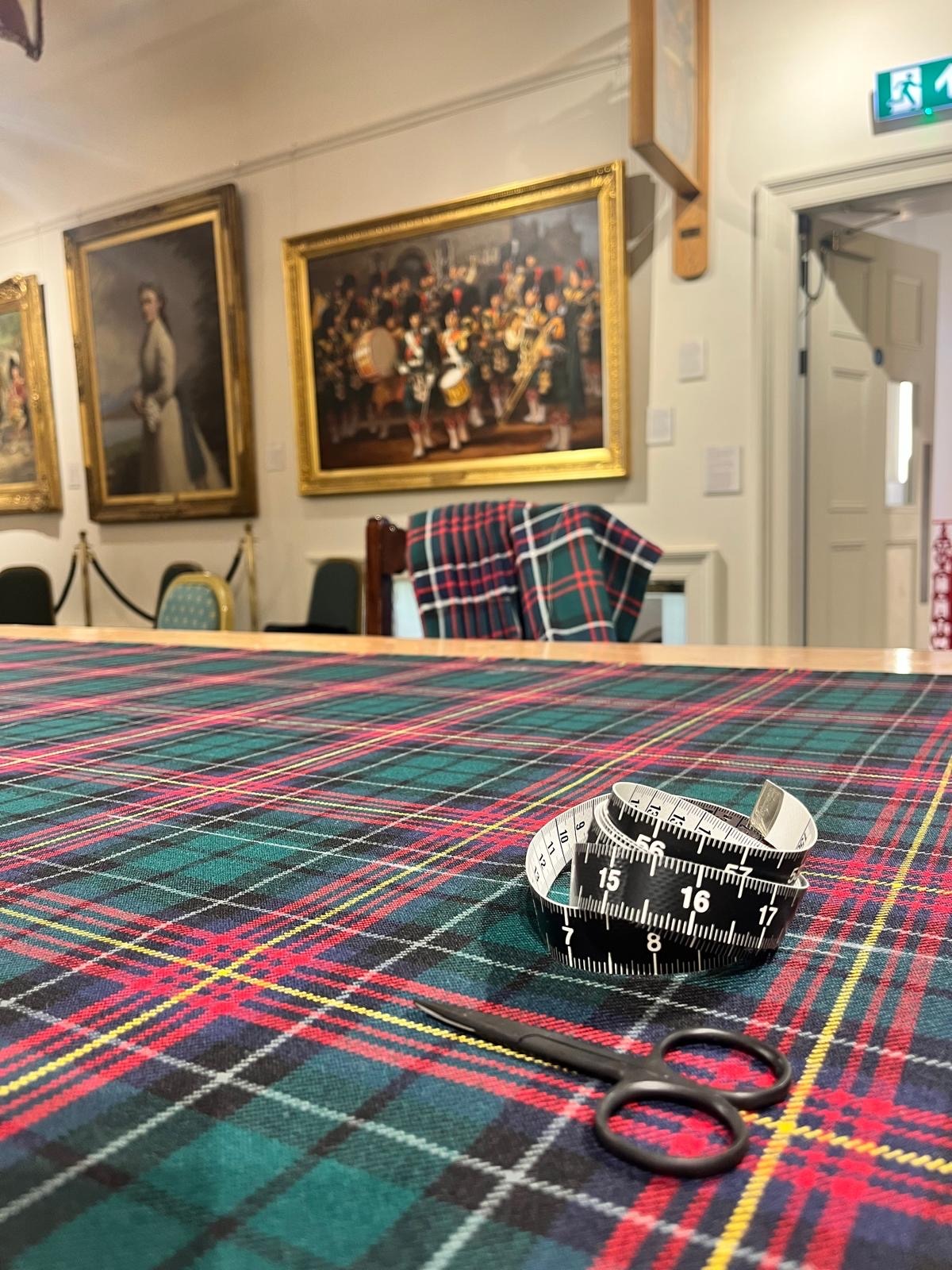
There is a rhythm to the process that feels familiar somehow. Measuring cloth carefully, forming pleats by hand and stitching each section with accuracy creates a steady, focused way of working. Over time, the process becomes calming, while the gradual progress of the garment builds confidence and a real sense of achievement.
The course tutor, Hannah Macfarlane, is a veteran herself, and that shared experience shapes the atmosphere of the workshop naturally. There is an understanding within the room that does not need much explanation. Participants can settle into the work comfortably, ask questions freely and support one another while learning traditional Highland craftsmanship at their own pace.
Preserving Scotland’s Kiltmaking Heritage
As participants learn traditional kiltmaking techniques, they are also becoming part of something much larger: the preservation of an endangered Scottish craft.
Hand-stitched kiltmaking is becoming increasingly rare in Scotland, with fewer people entering the trade each year. Courses like this help keep those skills alive while introducing a new generation to the heritage, history and cultural significance behind the kilt itself.
Throughout the course, participants gain an appreciation for the craftsmanship involved in creating a properly made kilt. Every detail matters — from the alignment of the tartan sett to the balance of the pleats and the structure hidden within the garment. These are skills that take time to learn properly, but they form the foundation of authentic traditional kiltmaking.
A New Tartan Inspired by Military Heritage
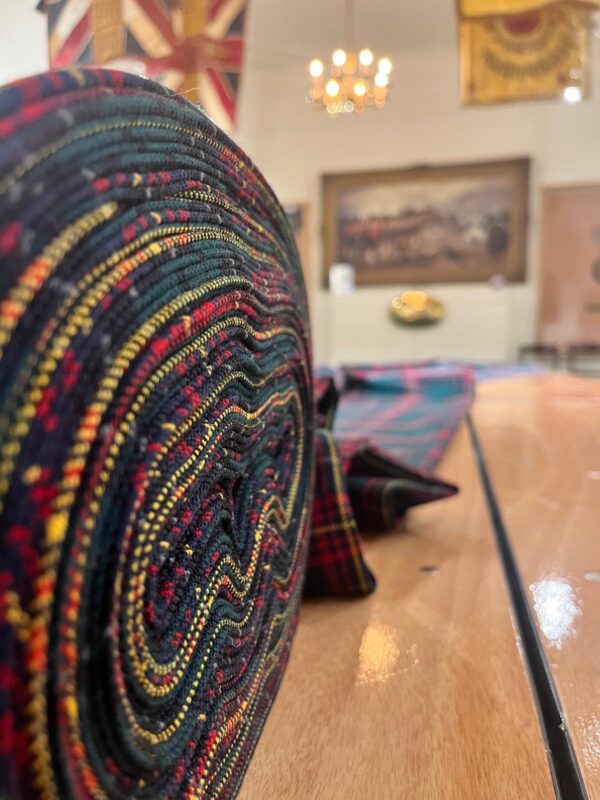
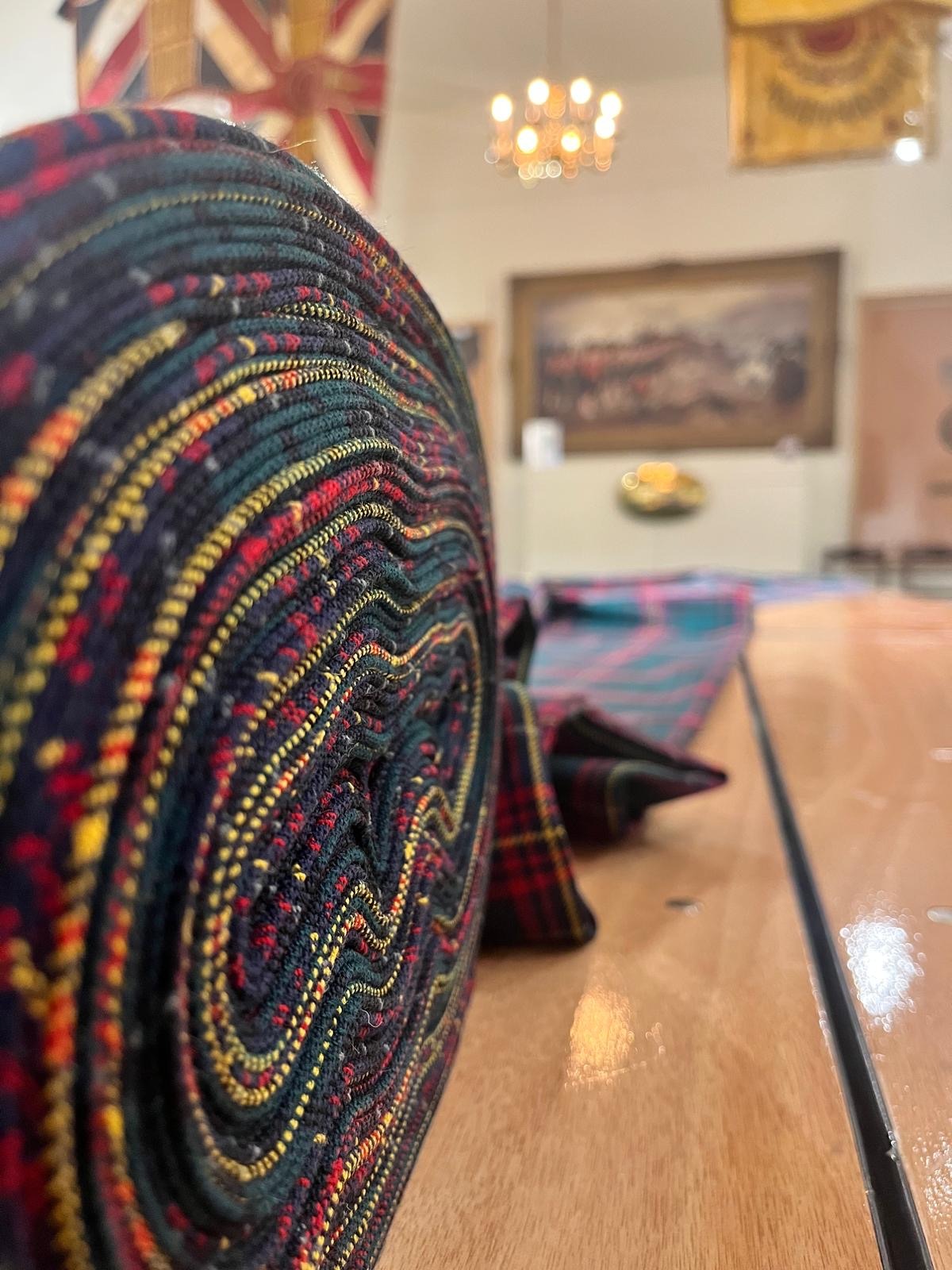
One of the most meaningful parts of the project is the creation of a brand-new tartan developed by Hannah in partnership with Lochcarron of Scotland.
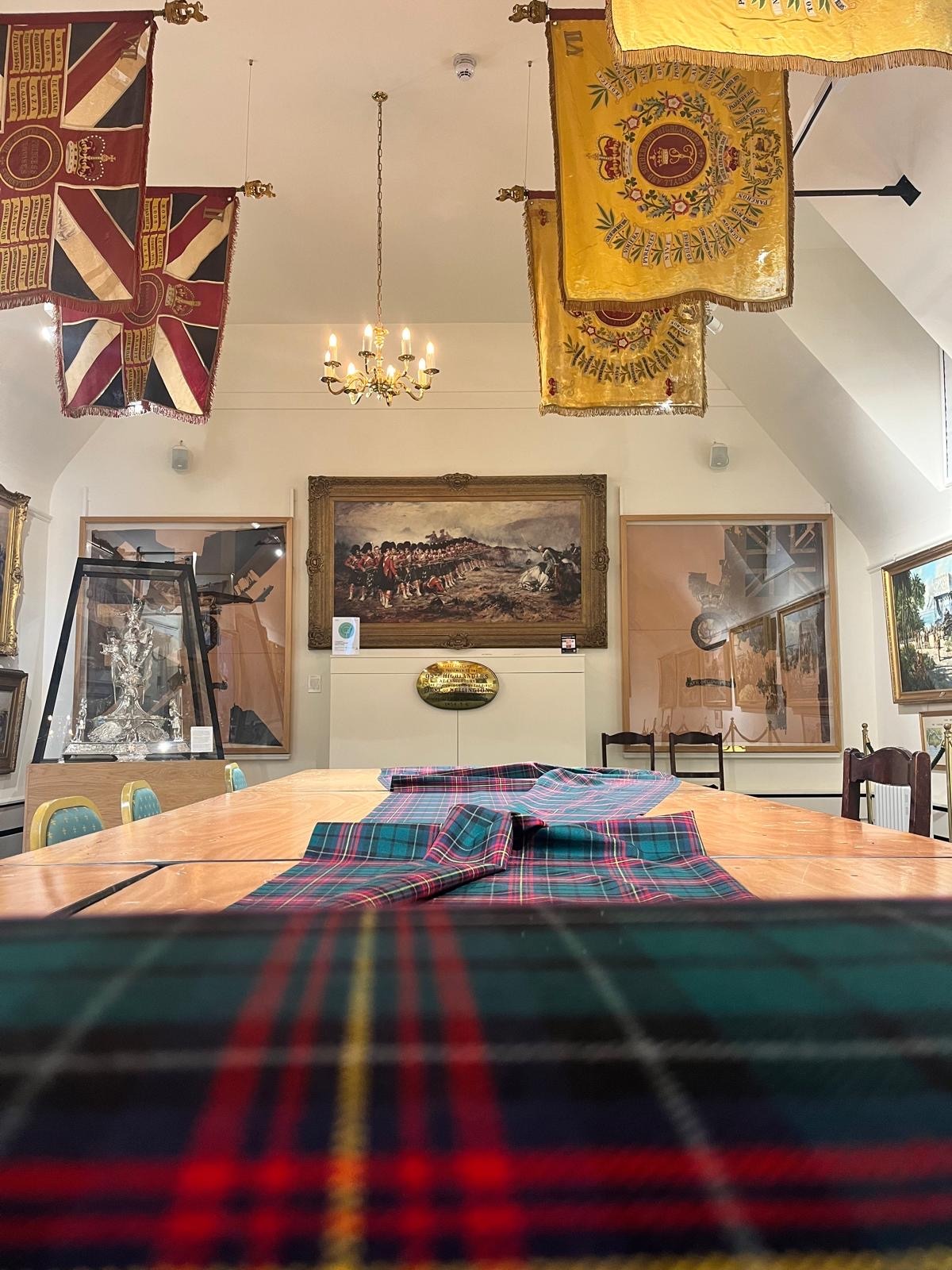
The tartan blends elements from the Argylls tartan and the Cameron of Erracht tartan, bringing together two patterns strongly connected to Highland military history.
The Argylls tartan is associated with the Argyll and Sutherland Highlanders, while the Cameron of Erracht tartan is linked to the Queen’s Own Cameron Highlanders. Both regiments have long and distinguished histories of military service stretching across major conflicts and generations.
Bringing these tartans together feels fitting. It honours the past while creating a new shared identity for the veterans involved in the course today.
Kilts Made for a Veterans Pipe Band
What makes this traditional kiltmaking course especially powerful is that the kilts are not simply being made for display.
Every kilt created during the programme has a purpose. They are being crafted for a newly formed Scots veterans pipe band — a project rooted in camaraderie, identity and moving forward while still respecting tradition and military heritage.
Knowing the finished kilts will be worn and performed in adds another level of pride and motivation to the work. These garments will become part of living Scottish tradition, carrying new memories and stories alongside the history woven into the tartan itself.
The location of the course adds even more meaning. Held within the Argyll and Sutherland Highlanders Museum, participants are surrounded by the stories and artefacts of those who served before them. It creates a quiet reminder of the connection between military service, Highland heritage and traditional Scottish craftsmanship.
More Than Learning a Craft
What stands out most about the course is the atmosphere it creates.
It is not overly formal or intimidating. People learn at their own pace, help each other naturally and share stories when they want to. Over time, a sense of camaraderie develops that feels familiar to many veterans, although within a very different setting from military life.
By the end of the course, every participant will have completed a traditional kilt by hand. More importantly, though, they will have contributed to something bigger than themselves — preserving traditional kiltmaking, supporting fellow veterans and helping carry Scottish heritage forward into the future.