
A Kilt Maker in the Scottish Highlands
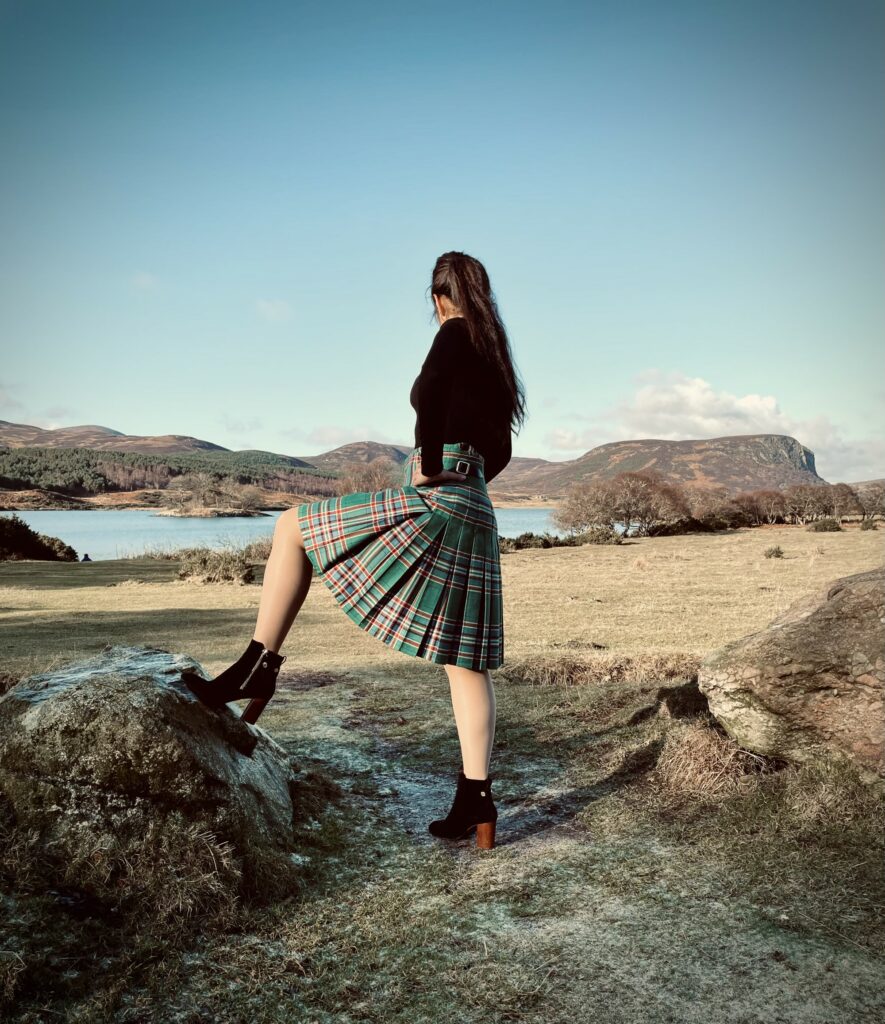
A Tradition Sewn Into the Highlands
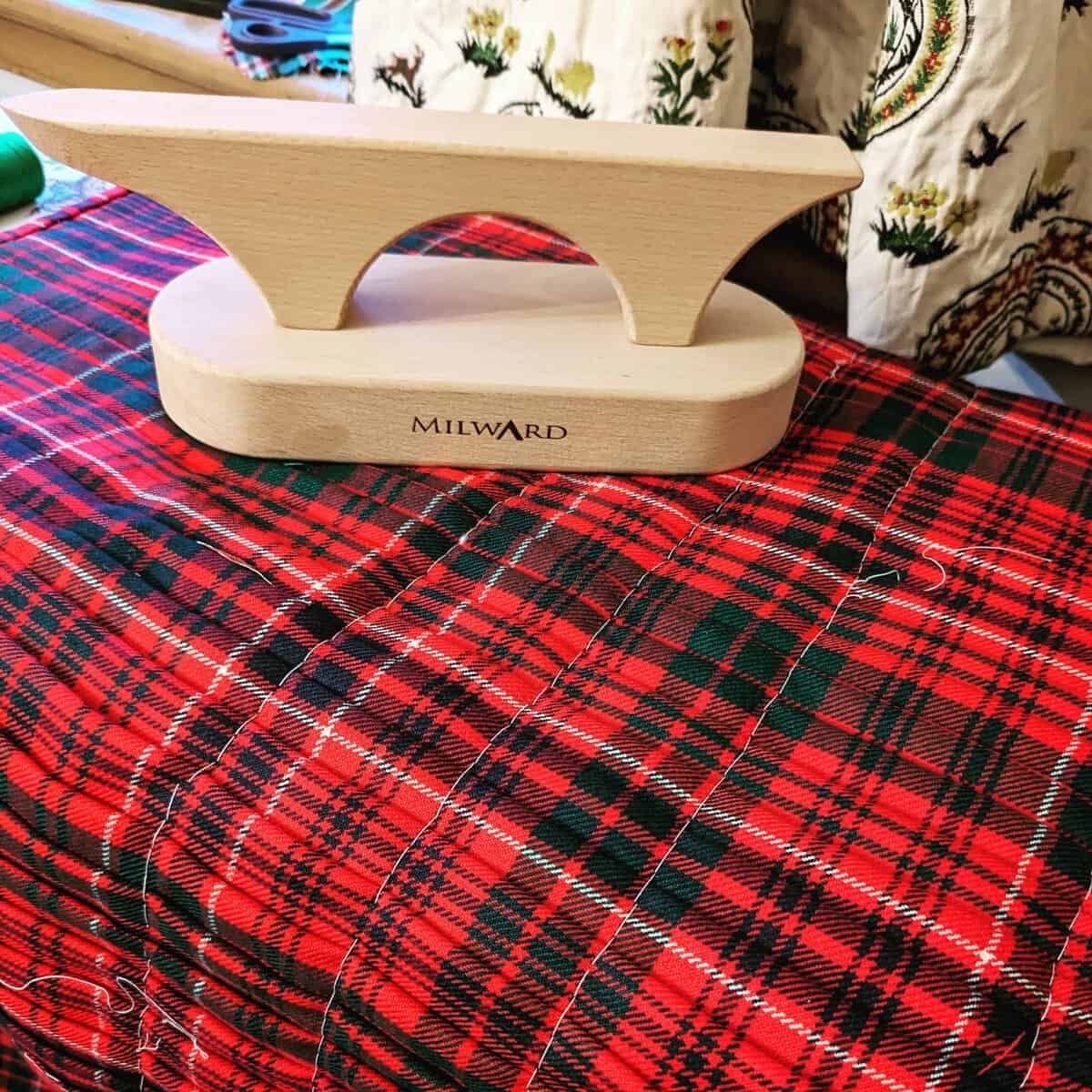
As a kilt maker in the Scottish Highlands, there’s a certain kind of quiet in the house when I’m working on a new kilt. Not complete silence, but the steady rhythm of the cloth being measured, the sound of thread being pulled tight, and the heat of the iron waiting nearby. It is slow, careful work where every millimetre matters, and where “attention to detail” becomes more than just a phrase.
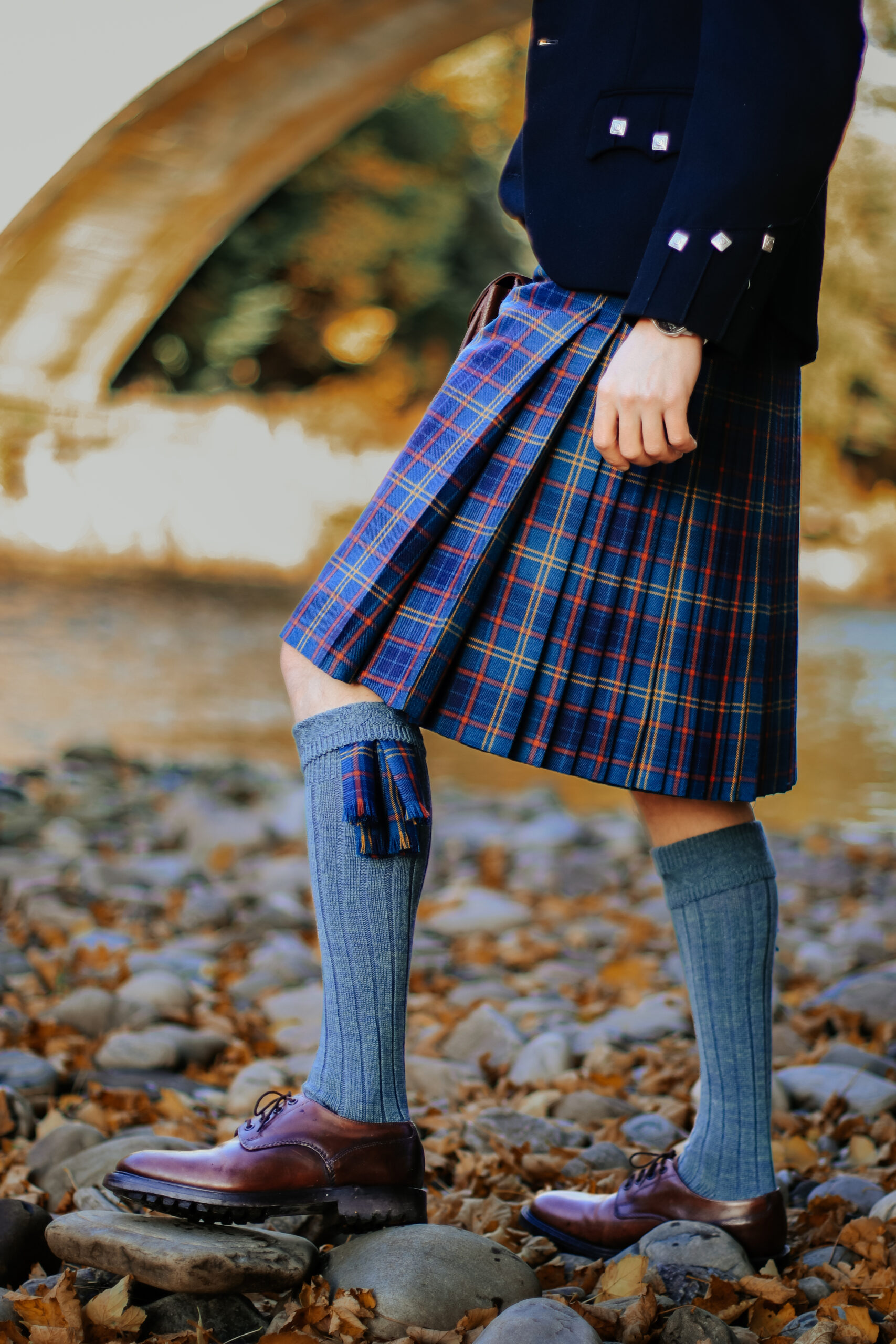
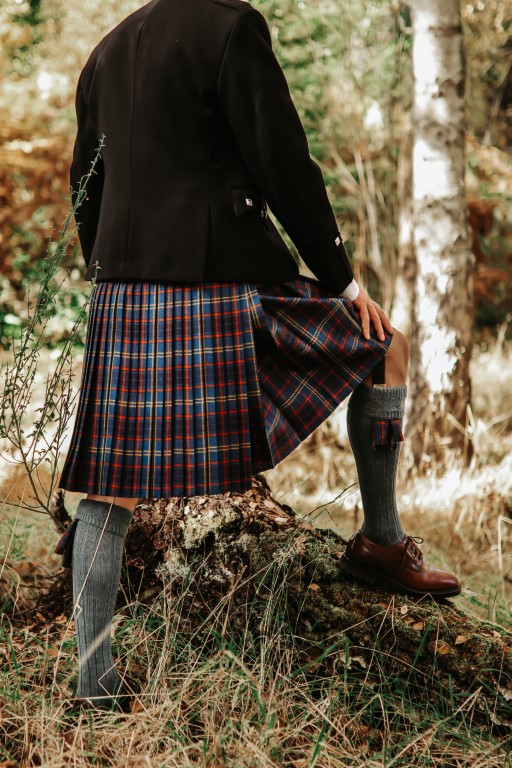
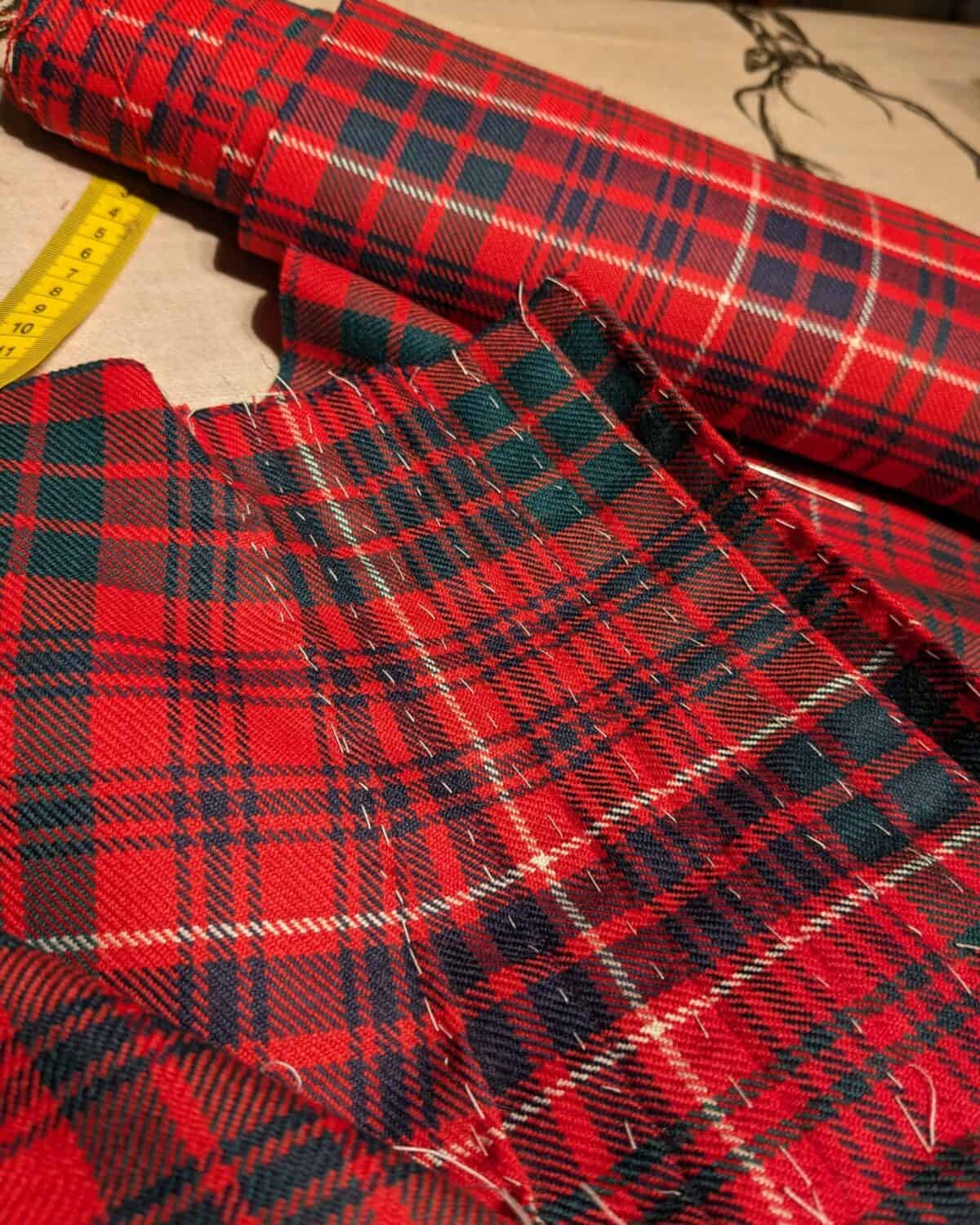
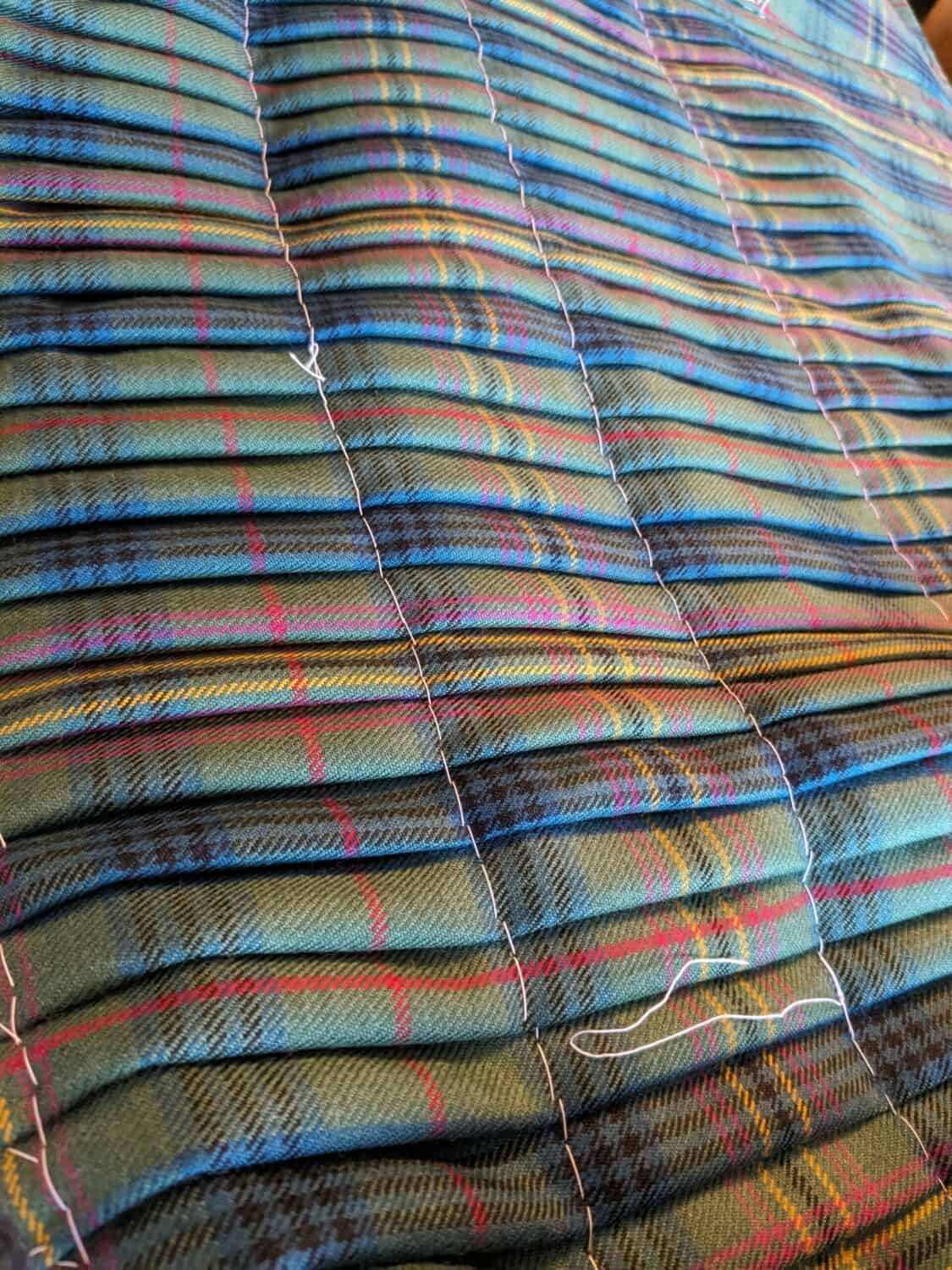
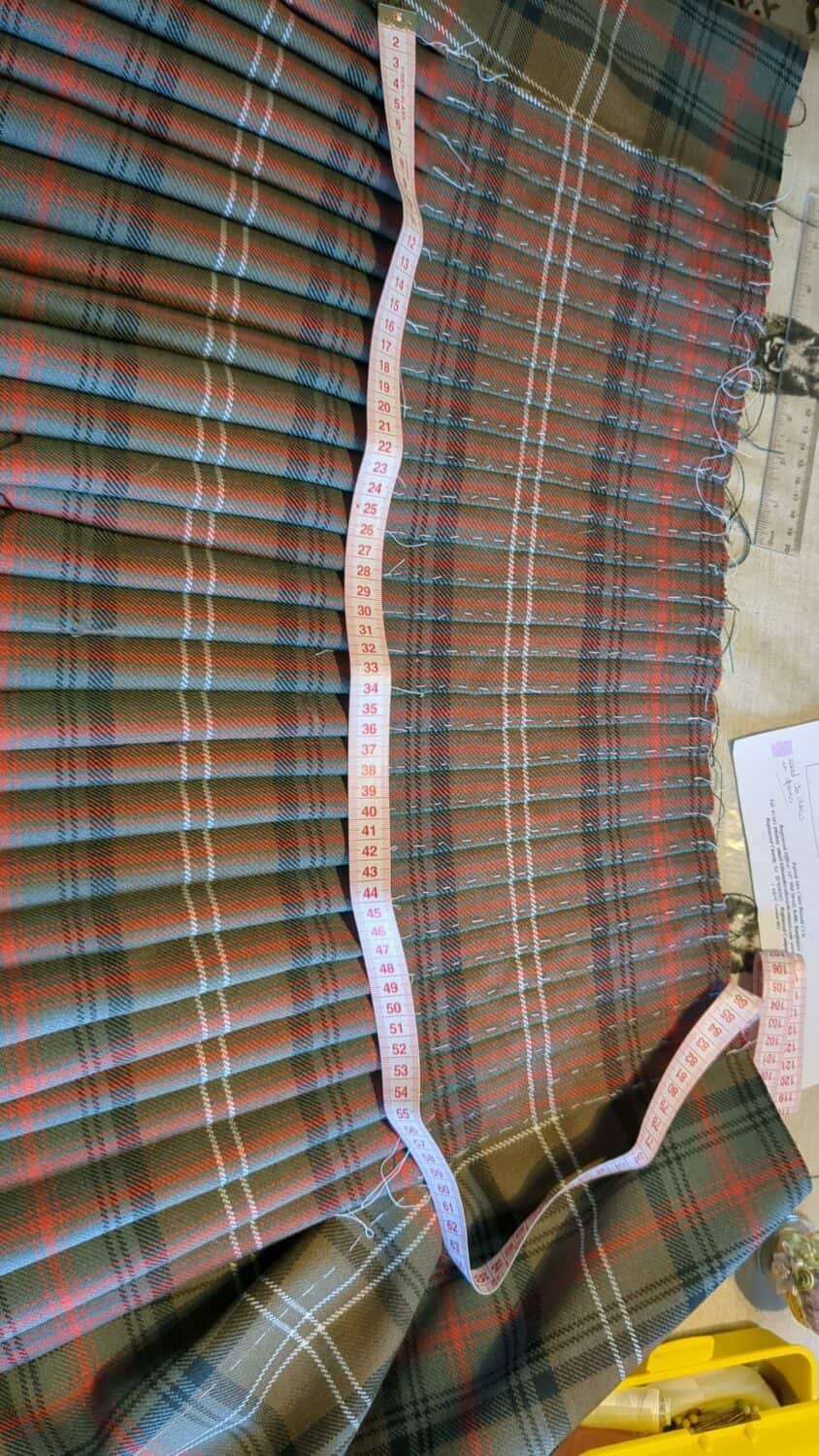
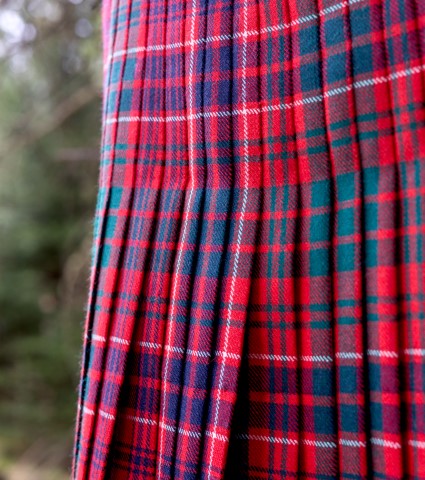
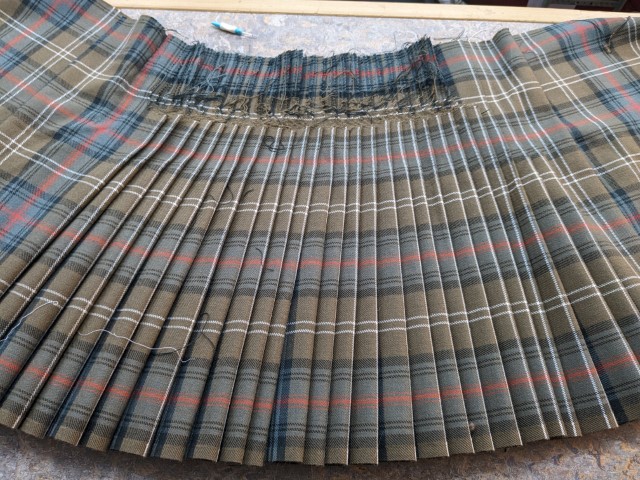
At Thistle & Cloth, every handmade kilt begins as a length of tartan with its own character and story. Before the first stitch is made, there are decisions to consider carefully — the tartan itself, whether to pleat to the sett or stripe, how the pattern will fall and how the finished kilt will sit on the body. Personally, I’ve always loved pleating to stripe. It creates movement and depth that feels uniquely alive when worn.
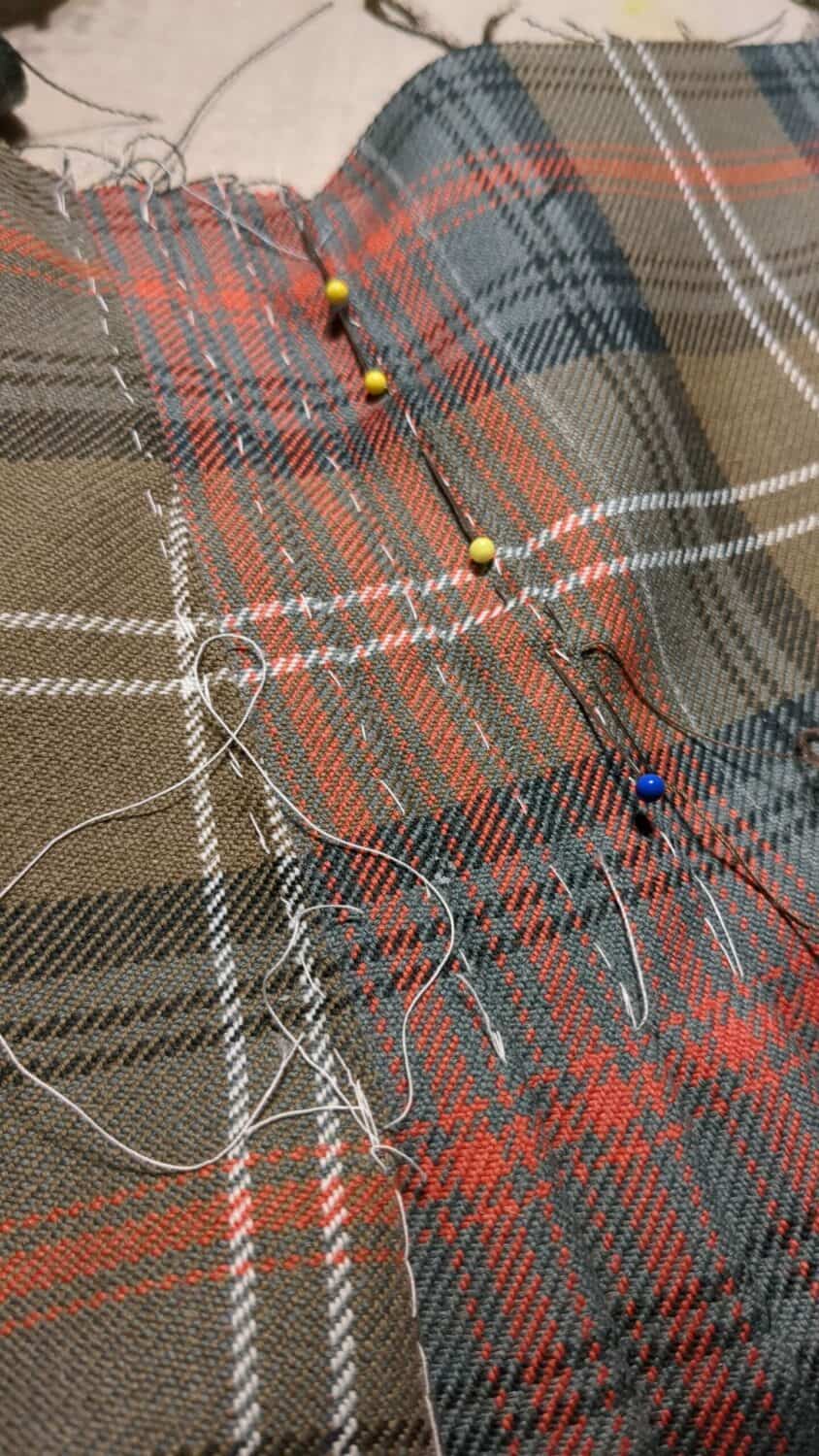
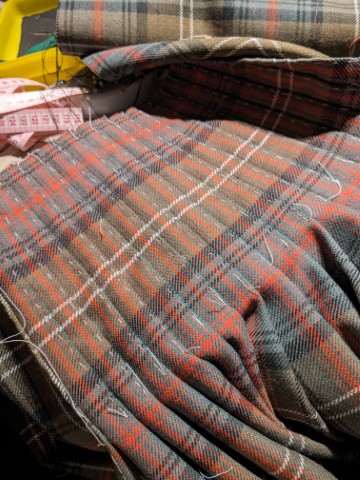
Traditional hand-stitched kiltmaking is not fast work, nor should it be. A single bespoke kilt can take well over 30 hours to complete properly, with every pleat stitched by hand and every detail shaped with precision. There are no shortcuts that do not reveal themselves eventually.
The Craft of Hand-Stitched Kiltmaking
A handmade kilt feels different because it is different.
The structure of a traditional hand-stitched kilt allows it to hang naturally, move correctly and mould itself to the wearer over time. The pleated section is carefully made to measure so it sits properly on the hip bones, while the balance between the aprons and pleats ensures the garment carries the correct weight and swing.
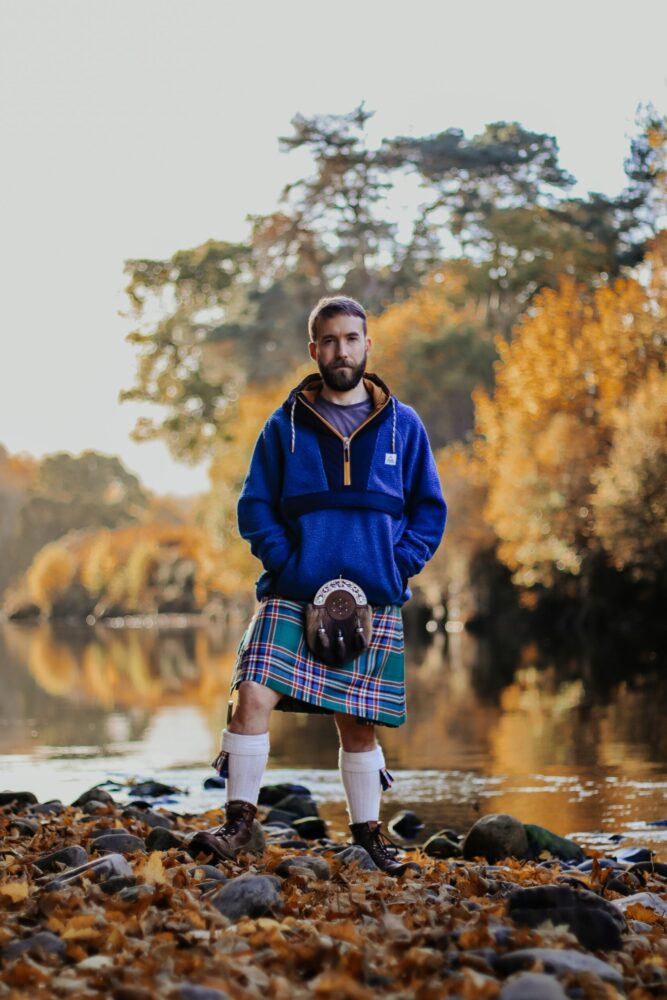
People often do not realise the difference until they wear one for themselves. A machine-made kilt may look similar at first glance, but the experience is not the same. Traditional handmade kilts have a presence to them. They are designed not simply to be worn, but to last for decades and, in many cases, to be passed down through generations.
That longevity is part of what makes traditional kiltmaking so meaningful. Every kilt gathers memories over time — weddings, ceilidhs, family gatherings, graduations and special occasions — becoming more personal with every wear.
Why Highland Kilt Makers Still Matter
For centuries, the Scottish Highlands have been at the heart of kiltmaking tradition. Here, the kilt has never been seen as costume. It is heritage, identity and craftsmanship woven directly into tartan cloth.
Working with a kilt maker in the Scottish Highlands means more than simply ordering Highland dress. It means choosing authenticity, traditional skills and a garment created with genuine understanding of the craft.
At Thistle & Cloth, every bespoke kilt is made individually rather than adapted from standard sizing. Accurate measurements are essential, because proportion affects everything — the rise of the kilt, the depth of the pleats, the balance of the tartan and how the finished garment moves.
The internal structure matters just as much as the visible detail. Traditional canvas construction, hand-finished pleats and careful shaping all contribute to the final result. These are the details that separate a true handmade Scottish kilt from a mass-produced alternative.
An Endangered Heritage Craft
Sadly, traditional hand-stitched kiltmaking is becoming increasingly rare.
There are believed to be fewer than 20 full-time traditional kilt makers left in Scotland today, and the craft itself has now been recognised as an endangered heritage craft. Historically, these skills were passed down slowly through observation and practice, often over many years. It was never something learned overnight.
Today, however, fewer people are entering the trade. In a world built around speed and convenience, hand-sewn craftsmanship can be difficult to sustain. Machine-made kilts are faster to produce and often cheaper to buy, but they cannot replicate the structure, movement and longevity of a properly handmade kilt.
For those of us still practising traditional kiltmaking, the work is about more than simply producing garments. It is about preserving knowledge, maintaining standards and protecting a craft that remains deeply connected to Scottish culture and Highland identity.
Handmade Kilts Built to Last
One of the most rewarding parts of being a bespoke kilt maker is knowing the garment being created may still be worn decades from now.
A properly made kilt is designed to endure. Unlike many modern garments, a traditional kilt can often be altered over time and adapted for future generations. It becomes something personal — a piece of family history as much as a garment.
That is why craftsmanship matters.
At Thistle & Cloth, I believe some things are still worth taking time over. Every stitch, every pleat and every carefully aligned tartan sett contributes to the finished piece. The goal is not simply to make a kilt, but to create something with meaning, structure and lasting value.
Keeping Traditional Kiltmaking Alive
Up here in the Highlands, the process continues much as it always has. Cloth is measured carefully. Pleats are folded by hand. Stitches are sewn one after another in quiet concentration.
Although Thistle & Cloth may be slightly off the main track geographically, the commitment to traditional Highland craftsmanship remains unchanged. I’m also involved with Developing the Young Workforce and the Northern Highland Chamber of Commerce because I believe strongly that these skills deserve a future.
If younger people are interested in learning traditional kiltmaking, I would genuinely encourage them to get in touch. Crafts like this only survive when knowledge is shared and passed forward.
As long as kilts continue to be stitched by hand here in the Scottish Highlands, the craft is still alive — and that feels worth protecting.